

Reservations, Booking Policies & FAQ’s
New Clients ~ Please Schedule a complimentary 10–15 minute phone consultation before your first appointment. This allows us to discuss your health history, goals, and any questions you may have so I can thoughtfully tailor your treatment to your individual needs. Every session is designed as a personalized experience—not a one-size-fits-all treatment—and I value building meaningful professional relationships with each client from the very beginning.
Preparing for Your In-Home Session
To provide a comfortable, relaxing experience, please have the following ready before your appointment:
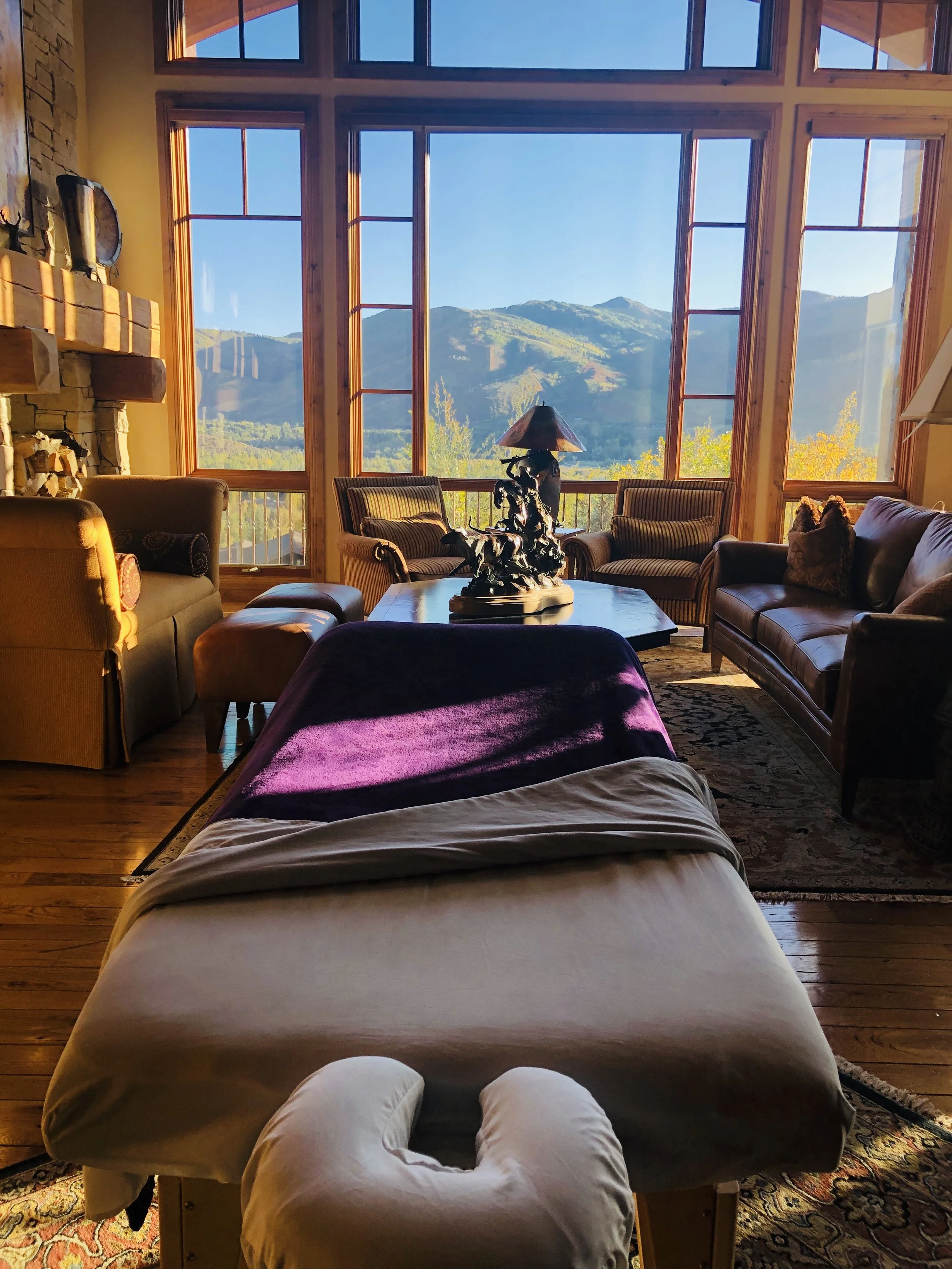
A clean, quiet area measuring at least 5' × 9' for the treatment table and enough room for me to move comfortably around it.
Convenient parking at your home, hotel, or rental property.
If staying at a hotel or resort, please arrange any required parking passes or access information in advance. Any parking fees incurred will be added to your service total.
I will arrive approximately 15 minutes before your scheduled appointment to allow time for setup.
Please let me know before your appointment if there have been any changes to your health, recent surgeries, medications, or your surgeon's post-operative instructions.
A release/consent form and intake will be sent to you prior to your 1st session
Payment is collected following your session. Major credit cards, cash, Venmo, and select HSA/FSA cards are accepted.
Thank you for welcoming me into your home. My goal is to create a professional, calming treatment space so you can simply relax and focus on your recovery and well-being.
Cancellation Policy ~ A Credit Card on File is required for all reservations
To Avoid Being Charged The Full Service Fee, Please Provide The Following Notice:
24 Hours For Weekday Appointments (Monday–Friday)
48 Hours For Weekend Appointments And Small Group Bookings
Reschedules Due To Illness Must Be Made Within One Week of original reservation, Otherwise Your Reservation Will Be Held To Our Cancellation Policy above
Frequently Asked Questions
-
Do you provide services exclusively for women?
Our mobile in-home massage and lymphatic wellness services are reserved for women, allowing us to provide a comfortable, personalized experience within private homes and other locations.
Craniosacral Therapy is available to both women and men, and may be offered separately from our women-focused mobile massage services.
Your mobile or in-home appointment
Every treatment is provided in the comfort of your home, hotel, or vacation rental. I bring everything needed to create a relaxing, professional treatment space, including the massage table, linens, music, and specialized treatment supplies. A clean and clear 5 × 9 ft space is needed for my setup, and access to a restroom with water.
What areas do you serve?
I proudly provide concierge wellness services throughout the Salt Lake Valley, Park City, and surrounding communities. If you're unsure whether you're within my service area, please reach out.
Do you accept HSA/FSA?
Some HSA/FSA plans may reimburse therapeutic massage or Manual Lymphatic Drainage. Coverage varies by provider, so please check with your individual plan.
How long are treatments?
My sessions range 90–120 minutes depending on your goals, treatment plan, and the services selected. It is my professional experience that 90 minute or longer sessions are needed for a more holistic approach to working with the body.
What forms of payment do you accept?
Major credit cards, cash, Venmo,, and select HSA/FSA cards are accepted.
-
Every surgical recovery is unique, and treatment recommendations vary based on your procedure, your surgeon's protocol, and how your body heals.
General guidelines include:
Before surgery: One treatment 48–72 hours before surgery may help optimize healthy lymphatic function.
After surgery: Many clients begin treatment within 24–72 hours after surgery with their surgeon's approval.
During the early recovery phase, treatments are commonly scheduled 1–3 times per week, gradually decreasing as swelling improves.
A commonly used guideline among post-operative lymphatic practitioners is approximately 1–2 Manual Lymphatic Drainage sessions for every liter of fat removed during liposuction. Individual needs vary considerably depending on healing, fibrosis risk, and your surgeon's recommendations.
Maximizing Your Results
Stay well hydrated. Consider adding electrolytes.
Choose light, nutrient dense meals
Wear compression garments if prescribed.
Wear loose comfortable clothing.
Prioritize sleep.
Gentle walking encouraged.
Follow surgeon instructions.
Book follow-up treatments.
Contraindications for Lymphatic work: You Have A Heart Condition. You Have Kidney Failure. You Have Blood Clots. You Have An Infection . You Are In active Chemotherapy Treatment
-
What type of massage do you provide?
Every massage is customized to your individual needs. Depending on your goals, your treatment may incorporate Swedish massage, deep tissue techniques, myofascial release, stretching, cupping, hot towels, hot stones, aromatherapy, CBD, or other therapeutic modalities.
How often should I receive massage?
Some clients benefit from monthly wellness sessions, while others recovering from injury or managing chronic pain may benefit from more frequent treatments.
-
What is Manual Lymphatic Drainage?
MLD is a gentle, rhythmic treatment that encourages the natural movement of lymphatic fluid, helping reduce swelling, support healing, and promote relaxation.
Does MLD hurt?
No. MLD uses very light pressure and should never be painful.
Why isn't oil used during MLD?
Traditional Manual Lymphatic Drainage is performed directly on the skin without oils or lotions to allow the gentle skin-stretching technique to effectively engage the superficial lymphatic vessels.
Can MLD help after surgery?
Yes. Many surgeons recommend Manual Lymphatic Drainage to help manage post-operative swelling and support recovery. Treatment timing should always follow your surgeon's recommendations.
-
How is Brazilian Lymphatic Drainage different from MLD?
Brazilian Lymphatic Drainage uses slightly firmer pressure and massage techniques while still supporting healthy lymphatic flow. Many clients enjoy the temporary sculpting effect created by reducing fluid retention.
Will Brazilian Lymphatic Drainage help me lose weight?
No. The treatment does not reduce body fat. Any visible contouring is temporary and related to fluid movement rather than fat loss.
Is Brazilian Lymphatic Drainage appropriate immediately after surgery?
Not usually. Most post-operative clients begin with traditional MLD. Brazilian techniques are generally introduced once tissues have healed and your surgeon has provided clearance.
How long do results last?
Results vary from person to person and are influenced by hydration, diet, travel, stress, hormones, activity levels, inflammation, and overall health. Some clients notice benefits for several days, while others experience longer-lasting results when treatments are incorporated into an ongoing wellness routine.
How to prepare for your Brazilian Lymphatic Massage
Hydrate! Please drink plenty of water the day before, day of, and after your session to prepare and for post session success ~ hydration helps work with lymphatic flow
Avoid: heavy exercise day prior and of treatment, heavy meals, lots of salt, sugar, and alcohol, and too much caffeine for 72 hours to maximize results. Light snack an hour prior is encouraged. Gentle movement, yoga, walking etc is great!
Wear lose comfortable clothing prior and after your session since lymphatic flow will be optimal
Avoid heavy product use (lotion/oil/deodorant/fragrance) on skin/body prior to session. Please be showered prior. Please remove makeup, if you are wanting a facial drain
-
When can scar therapy begin?
Scar therapy typically begins after your incision has fully closed and you've received medical clearance. The exact timing depends on your procedure and healing progress.
What is fibrosis?
Fibrosis is an overproduction of collagen that can occur during healing, creating firm or restricted areas beneath the skin. Early intervention may help improve tissue mobility and comfort.
Can older scars still benefit from treatment?
Often, yes. Even scars that are months or years old may respond to manual therapy by improving tissue mobility and reducing feelings of tightness or restriction.
What techniques are used?
Treatments may include myofascial release, cross-fiber mobilization, Manual Lymphatic Drainage, Dolphin Neurostim® microcurrent therapy, silicone scar therapy, cupping, kinesiology taping, and other techniques appropriate to your stage of healing.
-
What is Biodynamic Craniosacral Therapy?
Biodynamic Craniosacral Therapy is a gentle hands-on approach that supports your body's innate capacity for healing by encouraging balance within the nervous system and connective tissues.
What does a session feel like?
Sessions take place in a quiet, peaceful environment with no music or external distractions, allowing your nervous system the opportunity to settle and unwind. You'll remain fully clothed, and blankets and supportive bolsters are provided to ensure you're comfortable throughout the session.
Many clients experience profound relaxation and may even drift off to sleep. Others notice subtle sensations such as warmth, gentle movement, tingling, emotional release, or periods of deep stillness. Every experience is unique. Some clients leave feeling lighter, calmer, and more grounded immediately, while others notice subtle shifts unfolding over the hours or days that follow.
Why is the session done in silence?
Biodynamic Craniosacral Therapy invites the nervous system into a state of deep rest and awareness. A quiet environment minimizes external stimulation, allowing both practitioner and client to attune to the body's subtle rhythms and innate healing processes. While conversation is always welcome when needed, many clients find the silence to be one of the most restorative aspects of the session.
Is Craniosacral Therapy painful?
No. The work is exceptionally gentle and is performed using light, sustained contact.
What conditions may benefit?
Clients commonly seek Craniosacral Therapy for stress, anxiety, headaches, jaw tension (TMJ), chronic pain, nervous system dysregulation, post-concussion support, trauma recovery, and general wellness.
How the Biodynamic Approach Differs from Conventional Craniosacral Therapy
Many craniosacral techniques — such as the Upledger method — focus on the Cranial Rhythmic Impulse (CRI), a faster rhythm that reflects motion in the craniosacral system (around 6–12 cycles per minute). Practitioners often assess the CRI to locate areas of imbalance or restriction.
Biodynamic Craniosacral Therapy moves beyond this mechanical rhythm, orienting instead to the body’s deeper expressions of vitality — the Tides:
* Mid Tide: a slow, balanced rhythmic movement (about 2–3 cycles per minute) felt through the fluids and tissues. It reflects the body’s innate ability to reorganize and heal.
* Long Tide: a vast, spacious movement of expansion and stillness that seems to breathe the entire system as one. It reveals the deeper ordering forces of nature — what Dr. Sutherland called the Breath of Life.
* Dynamic Stillness: the quiet ground beneath all movement — where the body and mind rest in wholeness.
Where the CRI often points to what’s wrong, the Tides reveal what’s right.
By orienting to these slower, expansive rhythms, the practitioner supports the expression of the body’s inherent health — the forces that continually renew and reorganize life from within.